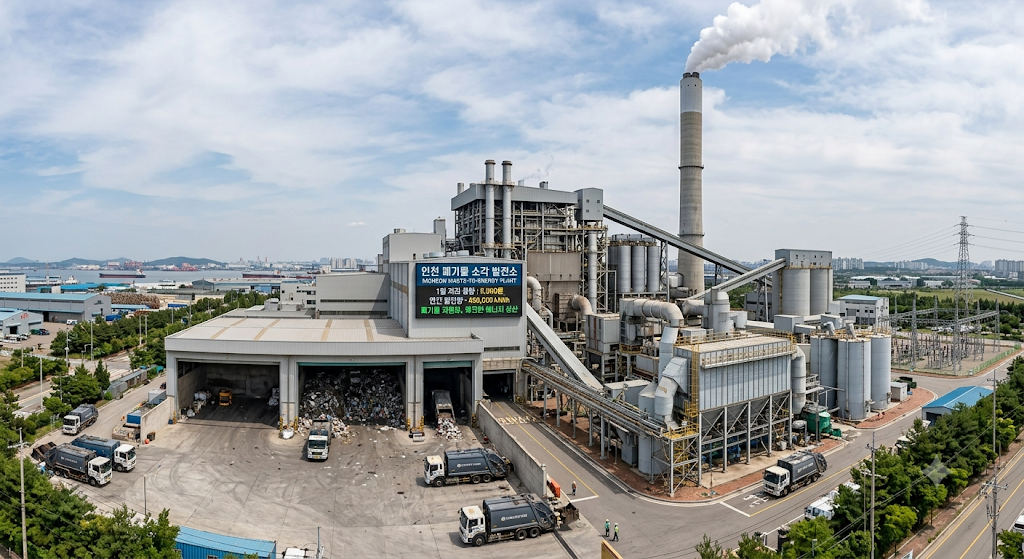
Waste-to-Energy (W-to-E)
Wind power generation
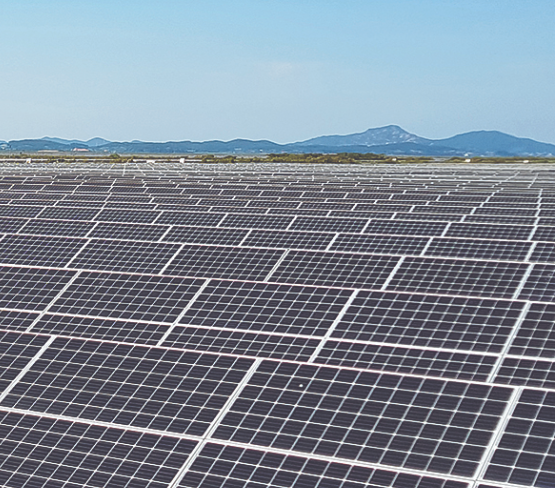
Solar power generation
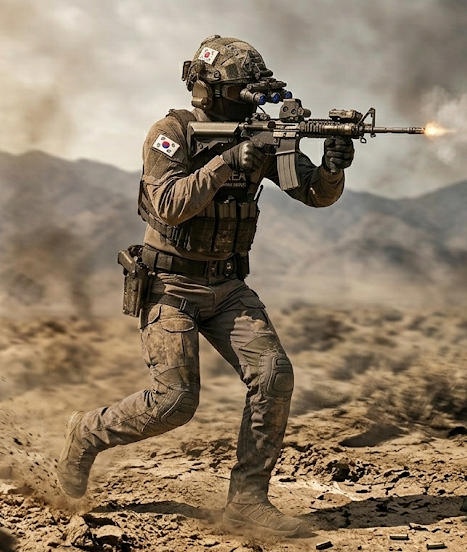
Korean Armed Forces
Business Development and Consulting
1. Project Sourcing & Initial Research: First contact stage.
•Indonesia: Confirm Jakarta Provincial Government (DKI Jakarta) waste management master plan.
•Bangladesh: Confirm WtE initiatives of Dhaka North City Corporation (DNCC) and Power Development Board (BPDB).
•Key task: Collect basic data on daily waste output, collection rate, and most importantly waste composition (high moisture, low calorific value typical of developing countries).
2. NDA & Letter of Intent (LOI) Exchange: Formalise the project.
•Sign NDA after meetings with senior government officials.
•Submit LOI on behalf of the consortium (Korean EPC + public energy company, etc.).
•Caution: Developing-country governments often issue non-binding MOUs freely after receiving an LOI — begin risk management.
3. Local Partner Selection: Key person for permits and land acquisition.
•Identify influential local companies with connections to waste collection and landfill sites (e.g., Bantar Gebang, Jakarta; Aminbazar, Dhaka).
•Role allocation: Local partner handles land and permits; Korean side handles EPC technology and financing.
4. MOU Signing: Basic agreement between government and consortium.
•Sign PPP-based MOU with Jakarta Province or Bangladesh DNCC for WtE development.
•Secure "exclusive development rights" or "preferred negotiating partner" status for a fixed period.
5. Feasibility Study (F/S): ★Most critical: Economic viability verification.
•Technical feasibility: Review incineration technology (stoker type, etc.) suitable for high-moisture waste.
•Financial feasibility: Simulate *Tipping Fee* per tonne and electricity *Tariff* from the power authority to calculate target IRR.
6. Site Due Diligence & EIA Approval: Prerequisite for financing.
•Conduct geological surveys and leachate/dioxin emission modelling at the intended incineration site.
•EIA: Hold public hearings and obtain local environmental ministry approval. Confirm compliance with ADB/World Bank ESF guidelines.
7. Investor Confirmation & SHA: Final coordination before SPC formation.
•Finalise equity stakes for all investors (EPC contractor, operator, financial investor, local partner).
•Sign Shareholders Agreement (SHA) defining rights and obligations of all investors.
8. SPC Establishment: Optimal timing for main contract signing.
•Indonesia: Register as PT. (foreign-invested company) in Jakarta.
•Bangladesh: Establish Private Limited Company (Pvt. Ltd.) in Dhaka.
•Rationale: A legal entity is needed to sign contracts with the government and power authority.
9. Main Contract (Concession & PPA): Final acquisition of project rights.
•Sign two main contracts in the name of the SPC.
1. Concession Agreement: With the local authority (site provision and exclusive waste supply guarantee).
2. PPA: With PLN (Indonesia) or BPDB (Bangladesh) — guaranteed electricity purchase at a fixed price for 25–30 years.
10. Financial Close: Drawdown approval.
•Sign project finance (PF) loan agreement with lenders (KEXIM, KDB, MDBs, etc.) using the PPA as collateral.
•First Drawdown approved to the SPC account.
11. EPC (Design & Construction): Physical construction phase.
•Korean EPC contractor commences construction of the waste-to-energy plant (average 30–36 months).
•Deliver and install core equipment (incinerator, boiler, turbine) and connect to the grid.
12. Commercial Operation (COD) & O&M: Revenue recovery phase.
•After commissioning, commence Commercial Operation Date (COD).
•Receive daily waste from the local authority, earn Tipping Fees, and sell electricity to PLN/BPDB for stable long-term revenue over 20–30 years.
The schedule below is a 12–18 month reference timeline for a Waste-to-Energy project. Actual durations may increase or decrease based on local government processing speed.
| Period | Phase | Key Milestones | Korean Investor Role | Local Partner Role |
|---|---|---|---|---|
| M1 ~ M3(3M) | Initial Review | NDA signed; waste composition & volume data secured | Preliminary Feasibility Study | Provide basic data & confirm site |
| M4 ~ M8(5M) | Pre-contract & Due Diligence | MOU/PDA signed; detailed F/S conducted | Technical/financial due diligence; PF structuring | Issue LOI from local authority; commence EIA |
| M9 ~ M14(6M) | Contract & Permits | Environmental approval; WDA/PPA negotiation | Select EPC; negotiate with lenders | Obtain permits; coordinate local gov. guarantees |
| M15~ M18(4M) | Financial Close | SPC established; main contracts signed; construction commences | Capital mobilisation & disbursement (Financial Close) |
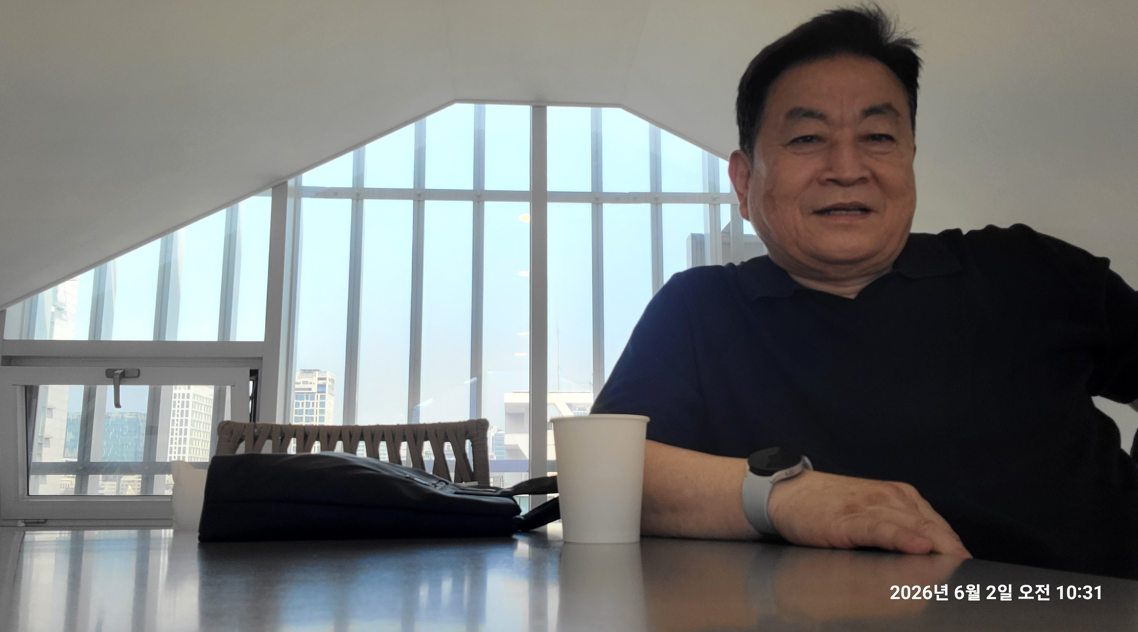
Certified Management Consultant
Certified Public Administrative Attorney
With extensive experience
and a foundation of trust and mutual respect,
we are committed to being a steadfast partner for your business.
President / Chairman
Man-hee, KANG